 469-506-1712
 469-999-0823
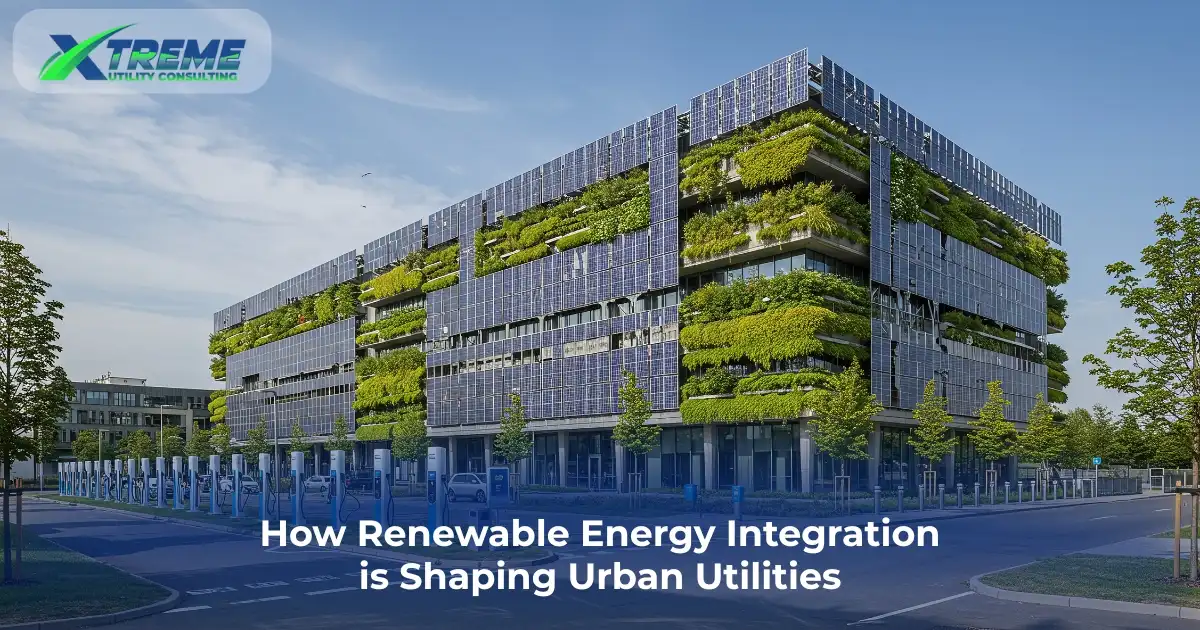
How Renewable Energy Integration is Shaping Urban Utilities
In recent years, the world has witnessed a significant shift toward renewable energy. Cities and counties are increasingly recognizing the need to embrace sustainable power sources, not just to combat climate change, but also to improve utility efficiency, reduce costs, and enhance reliability for residents. Renewable energy integration is no longer a futuristic concept; it’s rapidly becoming a cornerstone of modern urban utility systems.
At Xtreme Utility Consulting, we understand the transformative power of renewable energy and help communities seamlessly integrate these technologies into existing utility infrastructures. Let’s explore how renewable energy is shaping urban utilities and why it’s essential for cities today.
The Rise of Renewable Energy in Urban Utilities
Urban areas are traditionally dependent on centralized, fossil-fuel-based power grids. While these grids have powered cities for decades, they come with challenges like high carbon emissions, vulnerability to outages, and increasing operational costs. Renewable energy, such as solar, wind, and hydro, offers a cleaner, more reliable alternative.
Solar panels on rooftops, community wind farms, and even energy storage systems are now being deployed across cities to supplement or even replace conventional energy sources. This integration allows utilities to meet growing energy demands sustainably while also providing residents with a reliable, eco-friendly power supply.
Benefits of Integrating Renewable Energy
Renewable energy integration offers a wide range of benefits for urban utilities:
1. Reduced Carbon Footprint
Cities are among the largest contributors to carbon emissions. By incorporating solar, wind, or hydroelectric power, utilities can significantly reduce greenhouse gas emissions, supporting global sustainability goals and local environmental initiatives.
2. Cost Efficiency Over Time
While initial installation costs for renewable infrastructure can be high, long-term savings are substantial. Utilities can reduce dependency on fluctuating fossil fuel prices, lower operational costs, and pass savings on to consumers.
3. Enhanced Grid Reliability
Integrating renewables often goes hand-in-hand with modernizing the grid. Smart grids, energy storage, and real-time monitoring help utilities respond quickly to outages and fluctuations, ensuring that citizens enjoy uninterrupted services.
4. Energy Independence
Renewable integration reduces reliance on imported fuels and centralized power plants. Cities that embrace local energy sources gain greater control over their energy supply, which is especially important during emergencies or natural disasters.
5. Community Engagement and Awareness
Renewable projects often involve community participation, from rooftop solar installations to local wind farms. This engagement helps residents understand the value of sustainable energy and encourages them to adopt conservation behaviors.
Challenges of Renewable Integration
While the benefits are clear, integrating renewable energy into urban utilities comes with challenges:
- Intermittency: Solar and wind energy production can fluctuate based on weather and time of day, which may impact grid stability.
- Infrastructure Upgrades: Many older grids require modernization to accommodate renewable sources and storage solutions.
- Regulatory Hurdles: Local regulations and utility policies can affect project timelines and implementation.
- Cost Considerations: Initial investments in technology and training can be significant.
Despite these challenges, cities that strategically plan and partner with experts like Xtreme Utility Consulting can overcome barriers and implement reliable, long-term renewable solutions.
How Xtreme Utility Consulting Supports Cities
At Xtreme Utility Consulting, we specialize in helping urban utilities adopt renewable energy technologies efficiently and cost-effectively. Our approach focuses on:
- Assessment & Planning: We analyze current utility infrastructure, energy needs, and renewable potential to create a tailored integration plan.
- Technology Selection: From solar panels and wind turbines to battery storage and smart grid solutions, we identify technologies that align with city goals.
- Implementation Support: Our team works alongside city engineers, utility managers, and contractors to ensure smooth deployment.
- Monitoring & Optimization: Post-installation, we monitor system performance, provide ongoing maintenance guidance, and optimize operations for efficiency and reliability.
By partnering with us, cities can transition seamlessly into a sustainable energy future, reduce costs, and enhance citizen satisfaction.
Case in Point: Urban Renewable Success Stories
Across the U.S., several cities are already reaping the benefits of renewable integration. For example:
- Los Angeles, CA: Large-scale solar projects combined with energy storage are helping the city reduce emissions while maintaining grid reliability.
- Austin, TX: Community solar programs and wind farms contribute significantly to the city’s energy supply, empowering residents to participate in sustainable energy efforts.
- Portland, OR: The city’s integration of hydroelectric and wind energy has allowed for reduced fossil fuel dependence and increased resilience during peak demand.
These examples demonstrate that renewable energy is not just environmentally responsible, it’s economically and operationally smart.
Looking Ahead: The Future of Urban Utilities
The future of urban utilities lies in sustainability, resilience, and innovation. Renewable energy integration is paving the way for:
- Smarter, more adaptable grids
- Reduced energy costs for residents and municipalities
- Greater energy independence and reliability
- Active citizen participation in sustainable initiatives
By taking a proactive approach now, cities can future-proof their utility services, reduce environmental impact, and enhance the quality of life for all residents.
Final Thoughts
Renewable energy integration is no longer optional for urban utilities, it’s essential. Cities that adopt these solutions gain environmental, economic, and operational advantages that benefit everyone in the community.
At Xtreme Utility Consulting, we’re committed to helping cities navigate this transition, providing expert guidance, innovative solutions, and hands-on support every step of the way.
Ready to shape the future of your city with renewable energy? Contact us today to schedule a consultation and discover how we can help your community thrive sustainably.